
What's Your Nature?
Become a Nature Up North explorer to share your encounters with wild things and wild places in New York's North Country. Post your wildlife sightings, landscape shots, photos from your outings, and even your organization's events!
Purple Coneflowers
Purple coneflowers outside of the Johnson Hall of Science at St. Lawrence University
Summer Paddle
Paddling down the Little River and the Grasse River. Beautiful afternoon.
Birding at Indian Creek Nature Center
Today we went birding at 8am at Indian Creek Nature Center’s Lowland Trail. Even though it is pretty late in the season we saw a lot of birds. At lower lake we saw many green herons, gulls, waxwings, flycatchers, and even a bald eagle and male marsh hawk. In the forest there was mainly thrushes and chickadees.
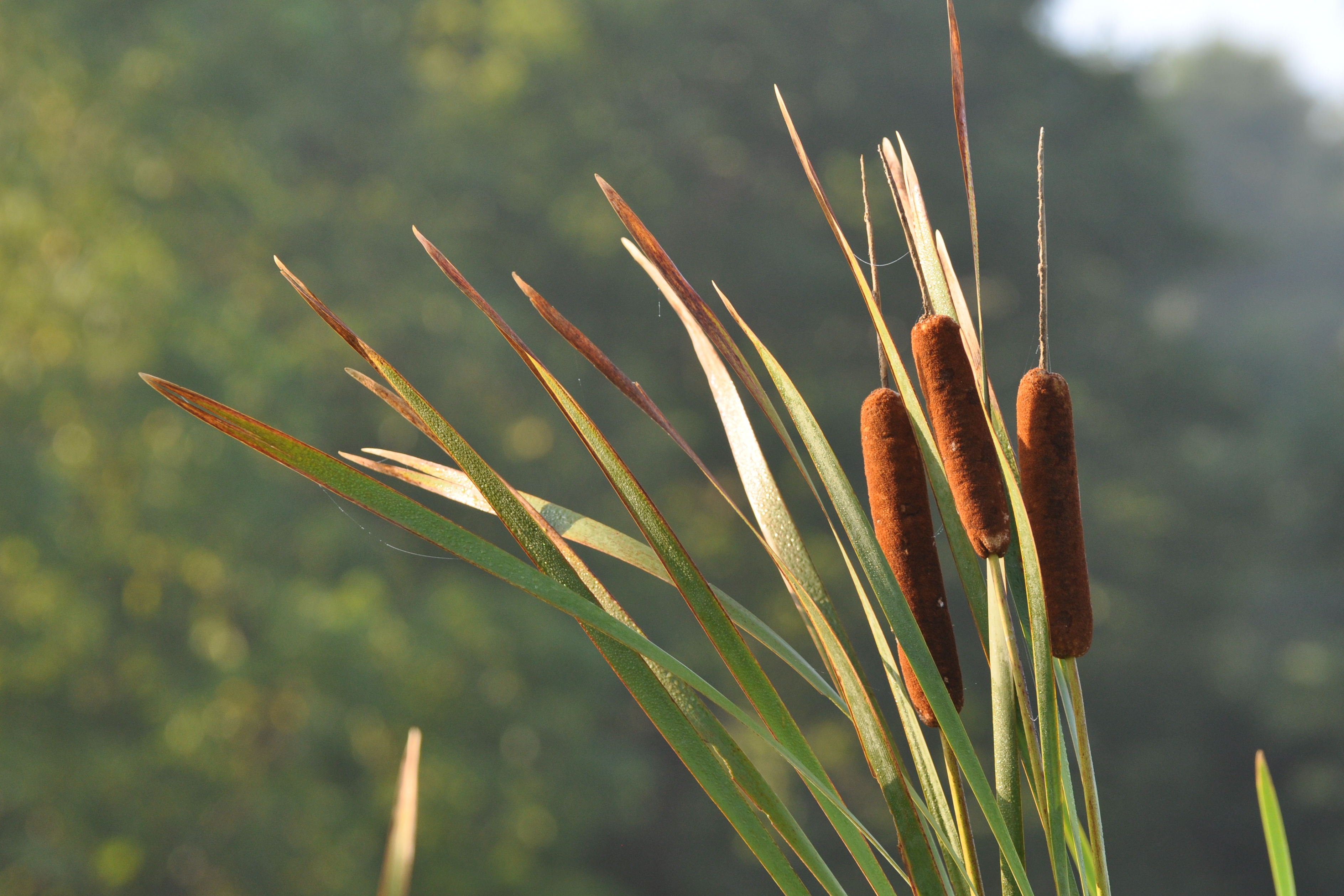
Cattails: A Tale of Nine Lives
The two cats at my place have endured life-threatening traumas such as falls, fights, and the compulsory “devotions” of small children. It’s amazing the hazards they can survive. Sadly, my contacts in the veterinary field continue to assert that cats have but a single life, and that the whole nine-lives thing is just a cat tale.
Soil Science Workshop
Some people call soil the “skin of the earth”. It’s the base which supports all life on earth, and everything and everyone, relies on it.
Come learn about soil composition and characteristics at this fun, family friendly workshop at the St. Lawrence University Sustainability Program. Please wear comfortable clothing for being out in the sun, and be prepared to get your dirty! Bathrooms and drinking water available. Short tours of the farm animals (goats and chickens) will be available after the program.
Coney Mountain Hike: Foraging for Edible Plants
Join us as we look for edible plants on hike up Coney Mountain! We'll be learning how to find and safely identify edible plants, and enjoying the hike to the top. Having a better understanding of what is edible and what isn't will enhance your connection to the local environment as well as your survival skills. Coney Mountain has an easy to moderate trail, 2 miles round trip, with beautiful views at the top! Meet at the trail head at 10am.
Shuttle available from Canton, meet at the Brewer Bookstore at 8:30am, returning at 2:00pm.
Delicious treasure
This fearless little guy couldn’t care less how close I got so I managed some amazing pictures