The North Country's Unnoticed Green Machine
When most people think of powerful carbon sinks, they may think of the vast Pacific Ocean or the dense Amazon Rainforest, which is all true, but we often miss the true unsung hero of carbon sequestration - the quiet, soggy peatlands. You may be surprised to learn that these carbon storages are right here in the North Country. Peatlands, also known as bogs or mires, are ecological powerhouses that silently capture and lock down tons of carbon over thousands of years under mosses and half-dead logs. Places like Massawepie Mire store more carbon per acre than any other terrestrial ecosystem on Earth, even more than forests. The Adirondack region alone is home to over 600 peatlands, each contributing to climate resilience in ways we’re only beginning to fully understand.
What is a peatland?
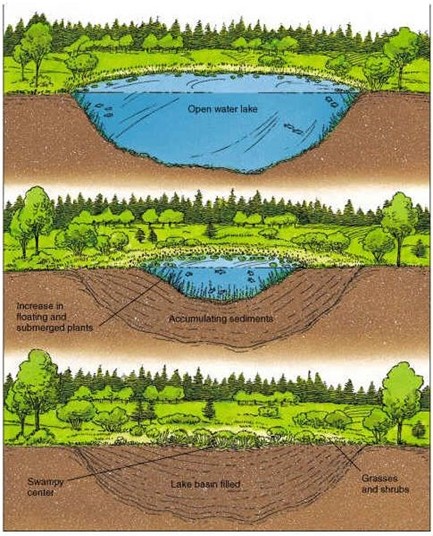
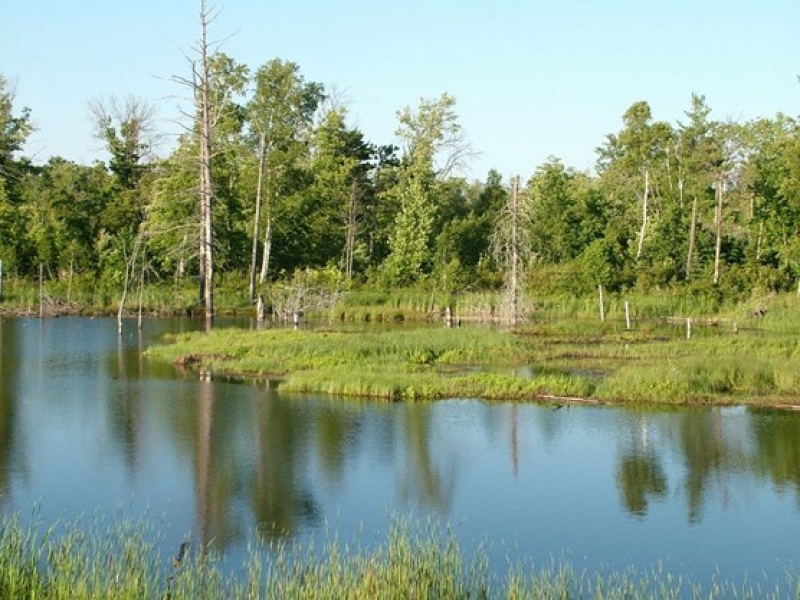
Bogs are a type of wetland where trees, grasses, and other vegetation do not fully decompose due to waterlogging. In these swampy environments, organic material accumulates faster than it breaks down, creating thick layers of what is then called peat, an early stage of what much later turns into coal when moisture is drained. In northern New York, there are different types of peatlands, including patterned peatlands and rich hemlock-hardwood peat swamps like those documented by the New York Natural Heritage Program. Although the waterlogged and acidic conditions may seem harsh for most plant life, that is where the power of this ecosystem lies.
A home to uncommon species
With such a unique environment, the plants and animals that call peatlands home are also quite set apart. Peatlands in the North Country host a fascinating and fragile ecosystem. Trees like black spruce and tamarack dominate the landscape, while the ground is often carpeted in sphagnum moss, cotton grass, and carnivorous plants like sundews and pitcher plants. The stillness of these bogs hides a vibrant ecosystem, where species have adapted to nutrient-poor, acidic soils in incredible ways. For example, many plants in peatlands form symbiotic relationships with mycorrhizal fungi. These fungi help plants absorb minerals and nutrients from the soil, including phosphorus which would otherwise be unavailable due to the acidity. These places are also home to important animal species, from moose and hares to habitat specialized birds like palm warblers or Lincoln’s sparrow that depend on bogs for nesting.
Peatlands and Climate
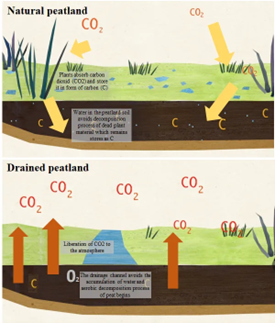
Beyond biodiversity, bogs are crucial carbon sinks. As plants die and decay slowly in the saturated conditions, the carbon they contain is stored in peat and is not released into the atmosphere. Some peat layers in the Adirondacks are thousands of years old, holding onto tons of carbon from past climates. Due to their fragility, when peatlands are drained, disturbed, or developed, all that stored carbon can be released, accelerating the accumulation of atmospheric carbon, leading to climate change. Protecting peatlands is one of the most effective nature-based climate solutions, and they’re right here in our backyard.
What is threatening bogs?
Despite their importance, peatlands in Northern New York, such as patterned peatlands, face threats from development and road construction or logging and drainage for agriculture or utilities. They are considered critically imperiled due to how rare they are and have declined steadily historically. In other parts of the United States such as North Carolina, the Great Dismal Swamp, historically spanning 1,500 square miles, has been reduced to just 13.5% of its original extent due to over 200 years of ditching, draining, and land use changes. This process began in 1763 when George Washington and others founded the Dismal Swamp Company, leading to the creation of approximately 150 miles of drainage ditches and logging roads. Sedimentation and run-off from development alters the ecological balance of these delicate ecosystems. Invasive species altering native plant communities are also active threats to healthy bogs, such as the hemlock woolly adelgid (Adelges tsugae), which is an exotic insect that destroys hemlock trees, affecting hemlock-hardwood peatlands. Climate change is also a contributor through changing water levels and species balance. Examples of this include flooding or the overpopulation of deer leading to over-browsing deer. Once a peatland is damaged, it takes centuries to recover, if it ever does. That’s why proactive conservation is so important.
What can we do?
If you’re interested in exploring a peatland up close, consider visiting Indian Creek Nature Center, located within the Upper and Lower Lakes Wildlife Management Area (WMA) near Rensselaer Falls. This area features approximately 320 acres of woods and wetlands, bordering flooded lands between the Oswegatchie and Grasse Rivers. It also includes a boardwalk trail through a marsh with expansive views of the Upper and Lower Lakes WMA. If you are looking to explore further, consider the Massawepie Mire near Tupper Lake, one of the largest boreal peatlands in the eastern United States, or the Bloomingdale Bog near Saranac Lake. These are remarkable examples of what makes bogs so special, from the dwarf black spruce stands to the buzzing of dragonflies in summer.
You can also join or support local conservation organizations, like the St. Lawrence Land Trust who are focused on protecting open spaces in the St. Lawrence River watershed, including riparian areas. This organization works with private landowners to conserve important elements of the landscape. I also urge you to advocate for wetland protections at the local and state level. And most of all, respect and stay on trails when visiting wetlands to prevent damage to sensitive plants and peat layers.
Final Thoughts: The Quiet Power of Bogs
Peatlands may not look like much at first glance, but they’re among the most vital ecosystems on Earth. Here in the North Country, we have the privilege of living near some of the most intact peatlands in the U.S. Let’s protect them for the carbon they store, the species they support, and the quiet beauty they offer to all who wander their mossy paths. Next time you pass a swampy patch of woods or a misty bog, take a moment to look closer. There’s a whole world beneath your feet, alive, ancient, and deeply important.