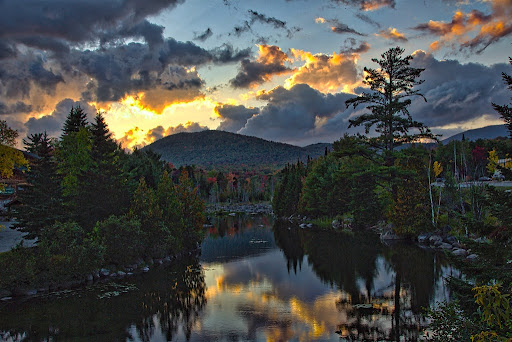
When most people think about microplastics, they imagine large, crowded cities or polluted coastlines. But according to researchers in the North Country, these invisible pollutants have already made their way into even the cleanest corners of our region, including the Adirondacks.
Dr. Judith Nagel-Myers and Dr. Amanda Oldacre, both professors at St. Lawrence University, have been studying the presence of microplastics in the local environment. “Microplastics form when plastic objects, such as water bottles, start eroding and breaking down into little pieces after they have been put into the environment,” explains Dr. Nagel-Myers. “Those pieces keep breaking down and are integrated into the soil, the water, and the air.”
Microplastics are generally defined as anything smaller than five millimetres, though the exact size can vary. They can come from multiple sources, including something as simple as doing laundry. “For example, from fleece that you like, you put it in the washing machine, tiny little plastic pieces will come off that piece of clothing and go right into the water, then to wastewater that ends up in the environment,” says Dr. Nagel-Myers. Plastic debris can also be carried by the wind, broken down by sunlight and weathering, and eventually deposited into rivers and lakes. “They are here, even if we are in rural or very pristine environments,” she adds. “They come from faraway places and are deposited just like dust or ash in the Adirondacks and in our local communities.”
Clams as nature’s testers
In their local research, Dr. Nagel-Myers and Dr. Oldacre have turned to freshwater clams as indicators of environmental health. “You’ve got to imagine the clam is in the water, and it filters the water constantly,” says Dr. Nagel-Myers. “They can take up pollutants, heavy metals, PCBs, or microplastics, and store them in their bodies. When we study the clams, we’re basically reading what’s been in the water.” Because clams are filter feeders, they can concentrate particles at levels high enough for researchers to detect, something that isn’t always possible in water samples alone. “The bivalves are likely integrating microplastics somewhere in their tissues,” Dr. Oldacre adds. “They’re a better indicator of plastic concentration.” And the results are striking: every clam they analysed contained microplastics.
The implications extend far beyond clams. Amphibians, such as frogs, toads, and salamanders, may also be at risk due to how their bodies interact with the environment. Unlike most animals, amphibians absorb nutrients from water directly through their thin, permeable skin, which is essential for functions such as respiration, hydration, and ion exchange. Research shows that microplastics can enter not just through the skin but also through the gills and digestive system, where they accumulate in organs like the gut and liver.
Once inside, they can damage tissues, disrupt normal cell function, and even interfere with development, leading to stunted growth or abnormal pigmentation in tadpoles. Microplastics can also carry harmful chemicals and pathogens, weakening amphibians’ immune systems and making them more susceptible to deadly diseases like chytrid fungus. Because amphibians are key indicators of ecosystem health, the risks they face from microplastics signal potential dangers for the broader environment as well.
Where are microplastics showing up?
Research from beyond Canton reinforces how far-reaching the problem is. “There was a recent article looking at Lake Tear of the Clouds in the high peaks, which is supposed to be remote,” Dr. Oldacre explains. “They found microplastics there, likely coming from synthetic shoes used by hikers.” Locations with fewer trails had noticeably fewer microplastics, underscoring how human activity, even seemingly harmless recreation, contributes to contamination.
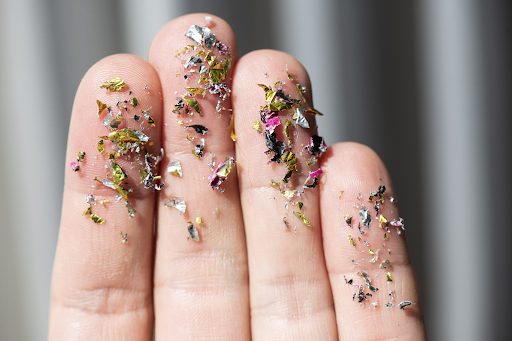
Some North Country residents may assume the region’s rural character offers protection from microplastics, but Dr. Oldacre pushes back on that idea. “We use plastics every day in our life, and even clothing sheds microfibers,” she says. “These microplastics can travel in water. They can travel through air. They can be deposited in places we think of as remote or pristine.” Microplastics have been found from the top of Mount Everest to the bottom of the Mariana Trench. And, more alarmingly, they’ve been found in humans: in blood, placentas, and other tissues. “The problem is we don’t have a control group,” she adds. “Everybody is affected.”
Local efforts: Community education and Save the River
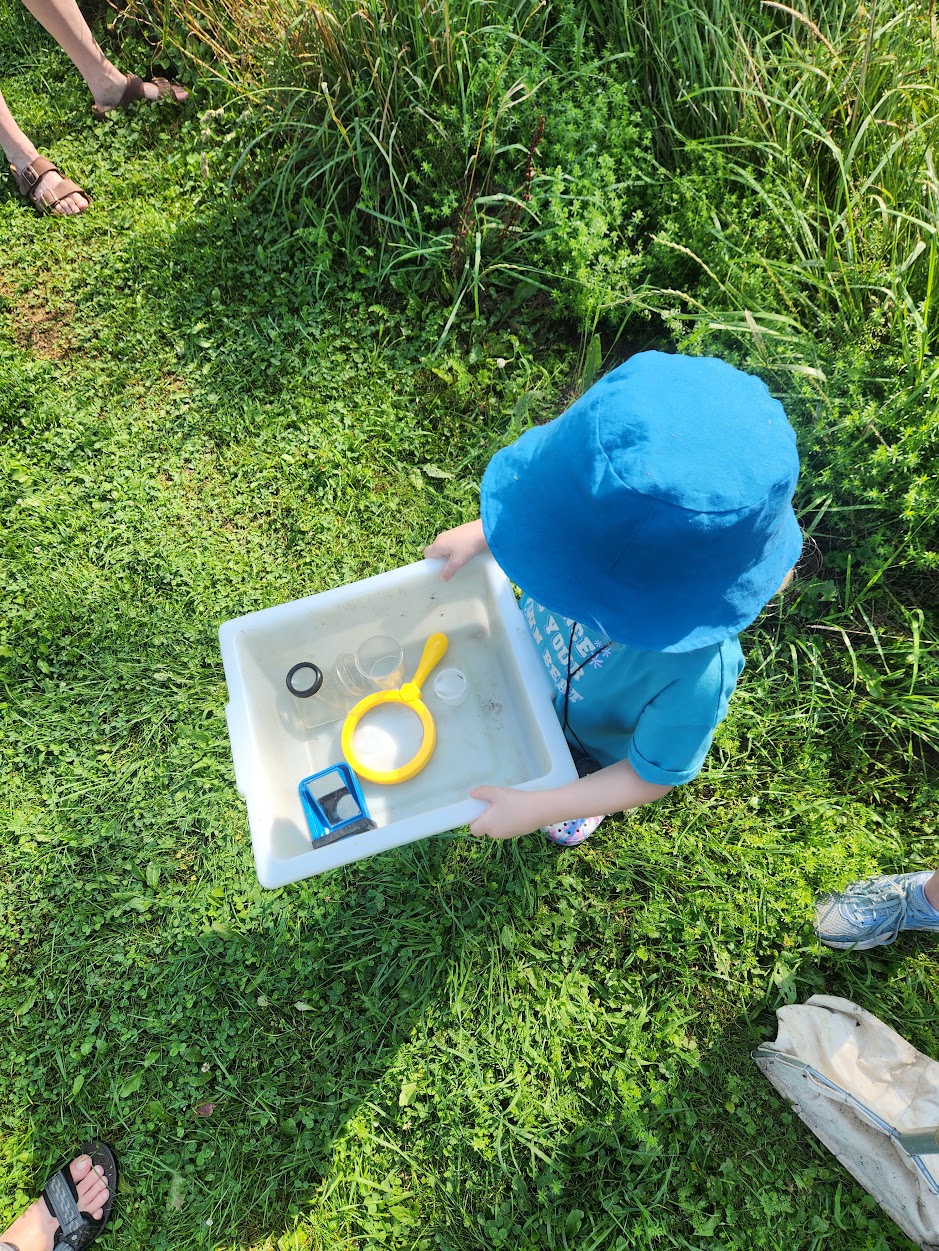
Beyond university research, Dr. Oldacre has also worked with students in preschools, elementary schools, and local high schools to increase awareness about plastic pollution. In these programs, students learned to identify microplastics either by sifting through soil samples or by processing grocery-store clams using the same methods used in university labs. “The littles were excited just to sift through dirt,” she notes. “But the high school students were amazed, they were surprised that we were able to see microplastics from like Price Chopper clams.” Her outreach demonstrates that microplastics are not an abstract concept: they’re visible, local, and accessible to students who want to engage with environmental science.
Organisations across the region are working to reduce the problem at its source. One of the most visible efforts comes from Save the River, a grassroots environmental nonprofit dedicated to protecting the Upper St. Lawrence River. Save the River’s Trash Free River program, launched in 2019, mobilises volunteers to clean trash along the shoreline. This year alone, volunteers removed 3,501 pounds of debris. The most common findings include small plastic fragments, tarp fragments shredded by winter weather, and boat-related debris.
Some wildlife even incorporate plastic into their nests. “Our former executive director brought in a bird’s nest where the birds had woven in pieces of plastic tarping,” says Program Coordinator Caryn Clements. Her advice for individuals hoping to help: start with manageable changes. “Some changes feel inconvenient at first, but they become natural over time,” she says. “There are good uses for plastic, but we need better options and fewer unnecessary ones.”
A problem without boundaries
For now, researchers continue to uncover how these microscopic fragments interact with ecosystems. What’s already clear is that microplastics have no boundaries. They travel on the wind, settle in lakes and soils, and infiltrate the bodies of wildlife that call the North Country home. “We find them in our bodies, in our children,” Dr. Nagel-Myers reflects. “We don’t know what they do to brain function or fertility, but it’s scary. I think we should make sure we eliminate plastics as much as we can from our lives.”
Activity: Sampling microplastics in soil
If you’ve ever wondered whether microplastics are hiding in your own backyard, this simple hands-on activity is a great way to find out. Using just soil, water, and a few household tools, kids and families can search for tiny plastic fragments that have settled into the ground, sometimes carried by wind, rain, or everyday wear from synthetic clothing and plastics. Developed by Dr. Amanda Oldacre, this activity guides you through sifting, sorting, and examining soil samples up close so you can see firsthand how widespread microplastics really are, and why understanding them is an important step in protecting the North Country’s environment. You can find a detailed list of instructions by following this link.